
- You have no items in your shopping cart
- Subtotal: 0.00฿
 shop_admin
Posted on
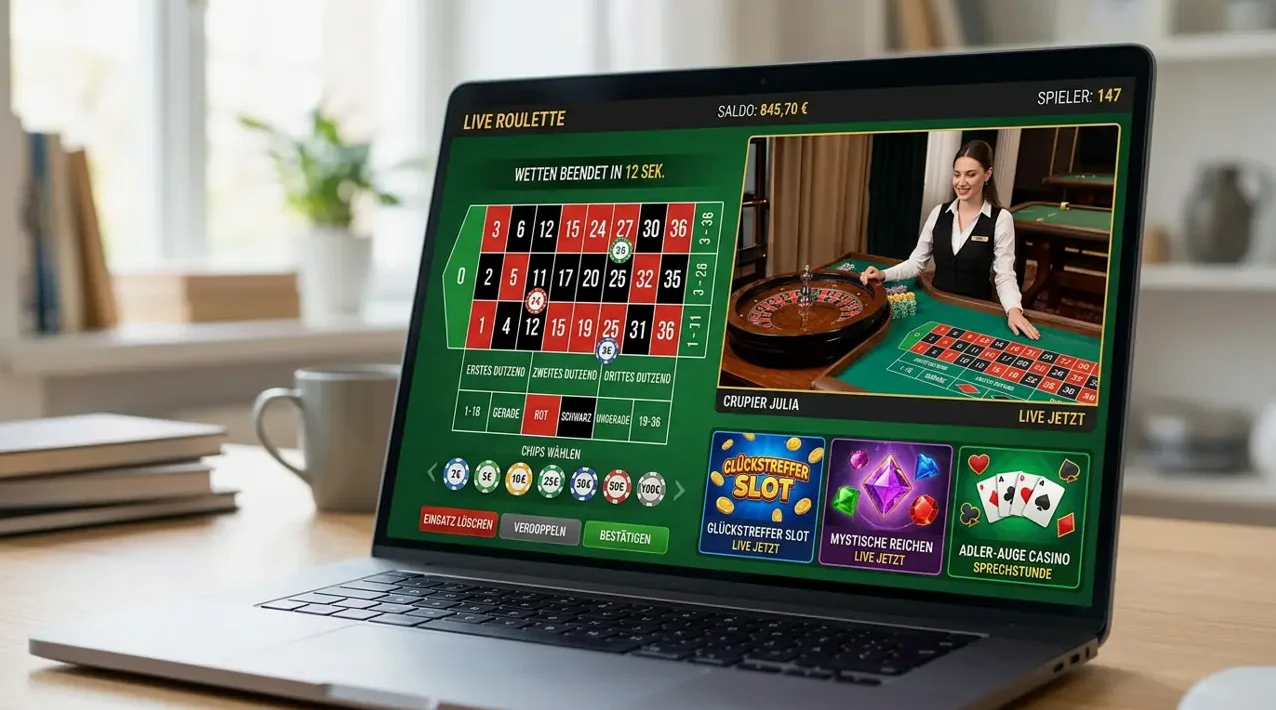
Responsible gambling begins before a bet is placed. For New Zealand adults comparing online casino information, the useful question is not simply which site has the biggest catalogue, but which safeguards are clear, available and realistic for personal circumstances. Information about Westace, including its stated self-exclusion and self-assessment options, can be reviewed at www.superpowerbabies.com/. However, the available material does not confirm a complete set of deposit, loss, session or cooling-off controls, so readers should assess the practical limits of any account carefully.
What should responsible gambling controls actually do?
Good gambling controls are designed to create distance between an impulse and an action. They may include self-assessment questions, spending limits, session reminders, temporary account breaks and permanent self-exclusion. Each serves a different purpose. A spending limit can reduce the amount available to gamble, while a break can interrupt a pattern that is becoming difficult to manage. Self-exclusion is stronger still: it is intended to prevent access for an agreed period or indefinitely.
Availability is only one part of the picture. A tool should be understandable, easy to locate and clear about when it takes effect. Readers should check whether a limit applies to deposits, wagers, losses or another measure, because those categories are not interchangeable. It is also important to know whether a request is immediate, subject to confirmation or handled manually by support.
The available information identifies a self-assessment tool and self-exclusion support, but does not confirm deposit limits, wager limits, loss limits, session controls, cool-off periods or reality checks. That distinction matters. A platform may mention responsible gambling without providing every safeguard a person needs. If the controls are not fully described, treat that uncertainty as a reason to seek clarification before opening or funding an account.
How can you test whether a limit is practical?
Start with money that is genuinely disposable, rather than money needed for rent, food, transport, debt repayments or household bills. Decide on a maximum amount before visiting the gambling site, then consider how often that amount could be used without creating pressure. A limit that looks acceptable in isolation may be unsuitable when repeated weekly or combined with other gambling accounts.
Next, define the behaviour the limit is meant to control. Someone worried about spending may need a deposit or loss limit, while someone losing track of time may need a session reminder or a planned stopping point. A person chasing losses needs a stronger intervention than simply deciding to stop after the next result. Writing the rule down can make it more concrete and easier to follow.
Do not assume a limit works across every product on a wider platform. Casino games, sports betting, virtual sports and esports may appear under one account while being experienced as separate activities. Ask support how controls are applied and whether they cover the whole account. If the answer is vague, avoid treating the tool as a reliable barrier. A safeguard is useful only when its scope matches the behaviour you are trying to manage.
When is self-exclusion the better decision?
Self-exclusion is more appropriate than ordinary budgeting when gambling has begun to feel difficult to control. Warning signs can include repeatedly exceeding a planned amount, hiding activity from family, gambling to recover previous losses, borrowing money, neglecting responsibilities or feeling distressed when trying to stop. No single sign proves a problem, but several together deserve prompt attention.
The available information says self-exclusion can reportedly be requested through support. Before making such a request, ask what information is required, when access will stop, how long the exclusion lasts and whether it applies to all products connected with the account. Also ask what happens to pending transactions or remaining balances, without assuming that a request automatically resolves those matters.
Once self-exclusion is requested, do not undermine it by moving immediately to another similarly named website or opening a second account elsewhere. Several websites use similar names, and their operators, terms and controls may not be interchangeable. If gambling is causing financial or emotional harm, independent support is more appropriate than relying on an operator’s internal process alone.
Which safeguards should you verify before choosing?
Before using any online casino, make a short checklist based on the controls you actually need. Look for clear information about self-exclusion, temporary breaks, deposit restrictions, loss limits, session reminders and account closure. Also check how to contact support and whether responsible-gambling requests are handled through live chat, email or another channel. A prominent promotional area should not make safety information difficult to find.
Read the rules for promotions with particular care. A bonus can encourage extra deposits or continued play, and the available material does not establish complete wagering, expiry, maximum-bet or withdrawal conditions for every offer. Never treat a headline amount as free money or as evidence that an offer is suitable. If the terms are incomplete, ask for the missing conditions or decline the promotion.
Independent help should be part of the comparison, not a last resort. New Zealand readers can consult New Zealand Gambling Helpline support for confidential information and assistance. External support is especially important when personal limits have failed, gambling is affecting relationships or money is being used to chase losses. Operator tools can assist, but they should not be mistaken for treatment, financial advice or a guarantee of controlled play.

What should you do if the tools are unclear?
Pause before depositing and record the specific questions that remain unanswered. For example, ask whether self-exclusion is permanent or temporary, whether it covers every betting product, and whether a requested limit can be changed immediately. Ask for the answer in writing where possible. Clear replies help you judge the quality of the safeguards; evasive replies are themselves useful information.

Do not fill gaps with assumptions based on another site, a review, or a similarly named domain. The available material contains conflicting promotional descriptions and only limited information about account controls. It also does not establish local licensing or a complete framework of responsible-gambling protections. Confirm the current operator details, applicable terms and any local requirements independently before deciding whether to proceed.
If you have already exceeded your plan, stop adding funds and avoid trying to win the money back. Consider asking a trusted person to help review finances, blocking gambling-related access on your devices and contacting a support service. Where gambling is affecting bills, debt or mental health, prioritise practical assistance over comparing bonuses, game counts or loyalty benefits.
Responsible gambling questions answered
Is a self-assessment tool enough to keep gambling safe?
No. A self-assessment may help identify warning signs, but it does not restrict access or spending by itself. Use the result as a prompt to set a suitable limit, take a break or request self-exclusion. If gambling feels difficult to control, seek independent support rather than relying on a questionnaire alone.
What should I ask support about self-exclusion?
Ask when exclusion becomes active, how long it lasts, which products and accounts it covers, and what happens to pending transactions. Confirm whether the request can be cancelled or shortened. Keep a record of the response. If the process is unclear or delayed, stop gambling and seek independent assistance.
Can a bonus make responsible gambling easier?
Not necessarily. A bonus may involve wagering, expiry, eligible-game and withdrawal conditions that encourage continued play. It should never be treated as income or a reason to deposit more than planned. If the complete terms are unavailable, declining the offer is the safer and simpler choice.